Brown skin is not one single colour. Beneath each skin's tone lies an undertone, the background hue that can be warm, neutral or olive, and it decides whether a foundation looks like skin or like makeup. When the undertone is wrong, the skin looks greyish in photos, or lighter than it really is. That is why, in wedding makeup for dark and brown skin, getting the foundation right is half the result.
Why every dark skin is different
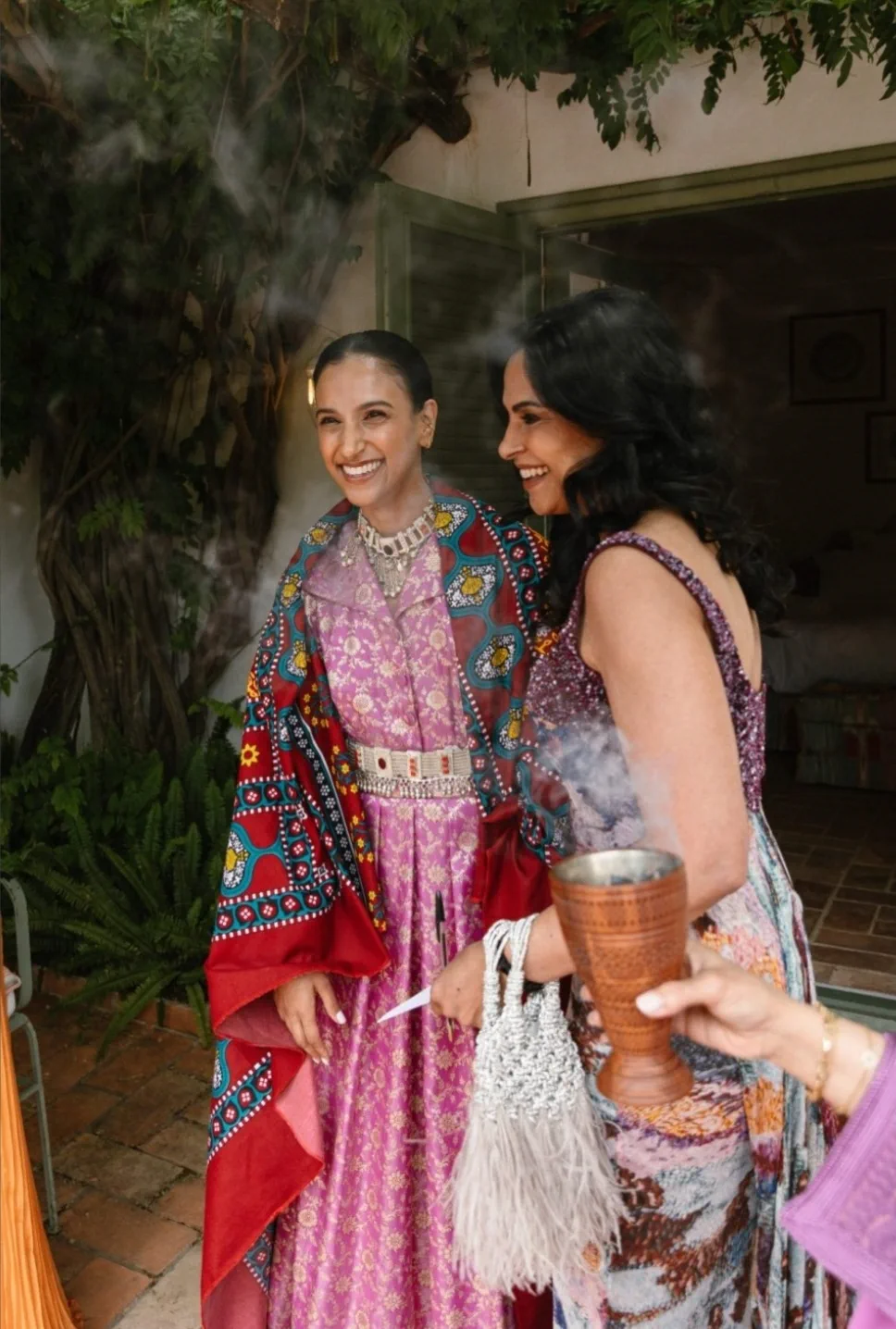
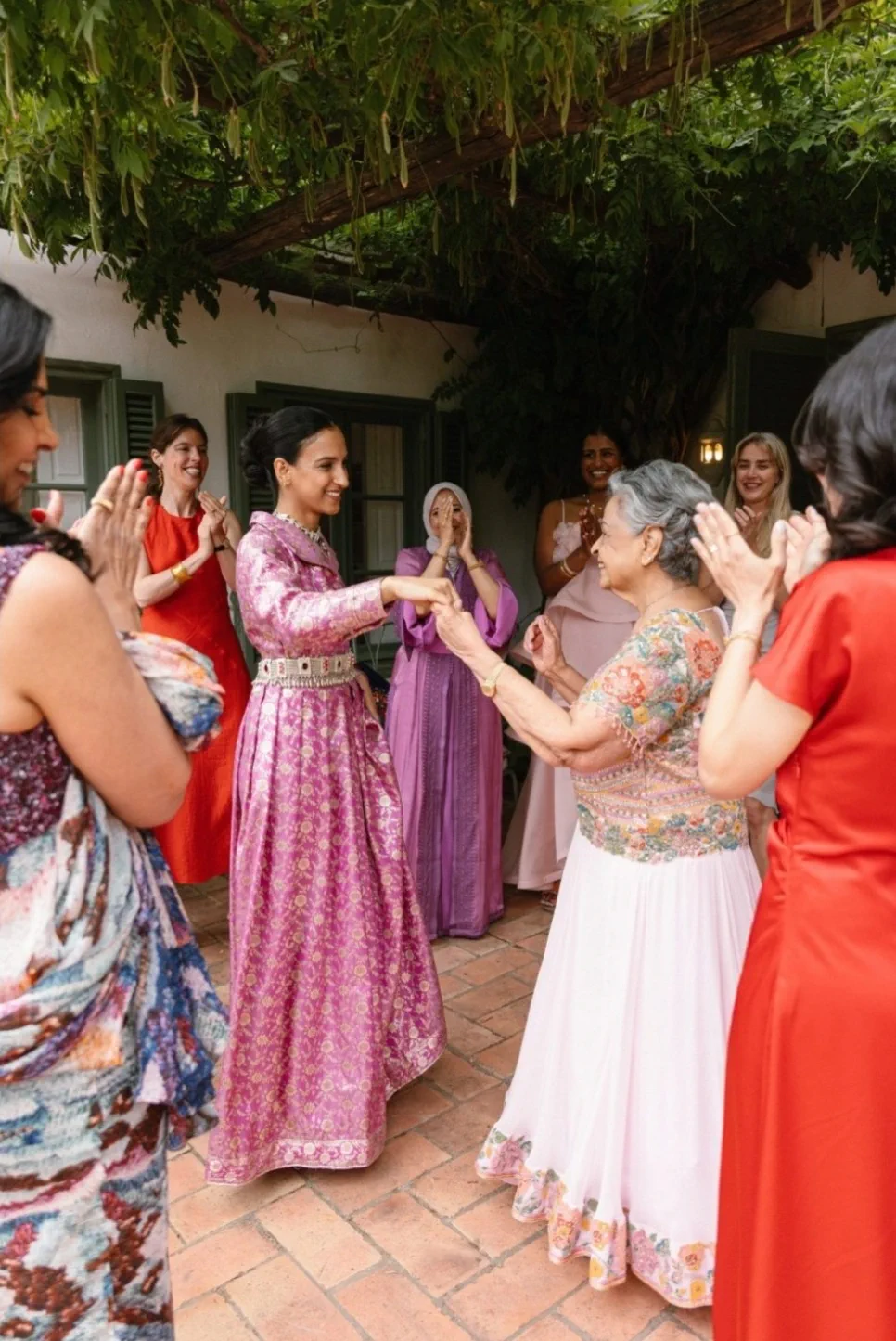
I have made up brides from many parts of the world: from Turkey, Iran, India, Bangladesh, Pakistan and Latin America, as well as brides with brown skin and an olive undertone. No two had the same colour, and above all no two had the same undertone. Two brides with equally dark skin can need very different foundations.
The most common mistake with foundation
The problem I see most often is the belief that four or five standard foundations are enough for wedding makeup on any bride. A foundation can match a bride's skin in how light or dark it is, but if the undertone isn't hers, the result isn't good. It may pass at first glance, but the camera notices: the face looks flat, in a colour that isn't her own.
How the exact foundation shade is found
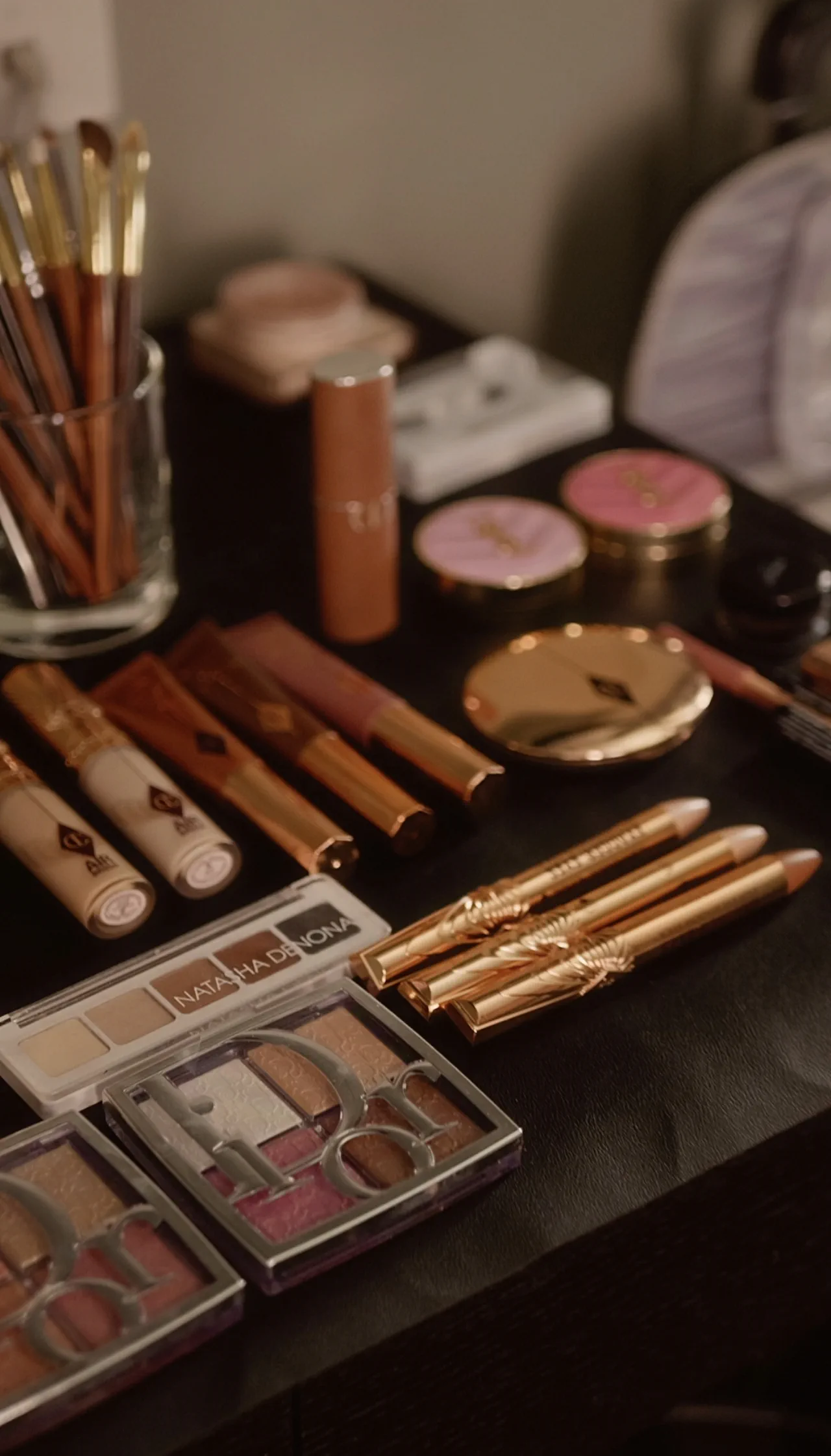
To choose the foundation shade I start as with any skin: I look for the closest match on the lower cheek, the part nearest the neck. Then I adjust the undertone by mixing foundations on a stainless steel palette, adding warmth or an olive hue until the colour disappears into the skin. On dark skin that fine adjustment is essential, because a small difference shows far more than it does on fair skin.
Why brown skin looks white in flash photos
The white cast in flash photos, known as flashback, almost always comes from powder. Standard translucent powders are white, and the flash bounces off them and makes them visible. On dark or brown skin, I never set makeup with white powder. I use pressed powders with a deep pigment, or loose powders in peach, pink or violet, depending on the skin's undertone. That way the makeup is set without the grey filter that dulls the face.
Why does dark skin look grey or white in wedding photos?
Because of a foundation whose undertone doesn't match the skin, or white translucent powder, which the flash makes visible. Matching the undertone and setting with pigmented powder avoids it.
How dark circles are colour corrected on dark and brown skin
On dark skin, under-eye circles tend to be deeper and carry their own undertone. I treat them first with a colour corrector, deep peach or deep pink depending on the shade of the shadow, which neutralises the colour. Concealer goes on top. The corrector should not be much lighter than the skin: one shade lighter is enough to brighten the eyes, because one that is too light leaves a grey patch under the eye.
The colours that flatter dark and brown skin
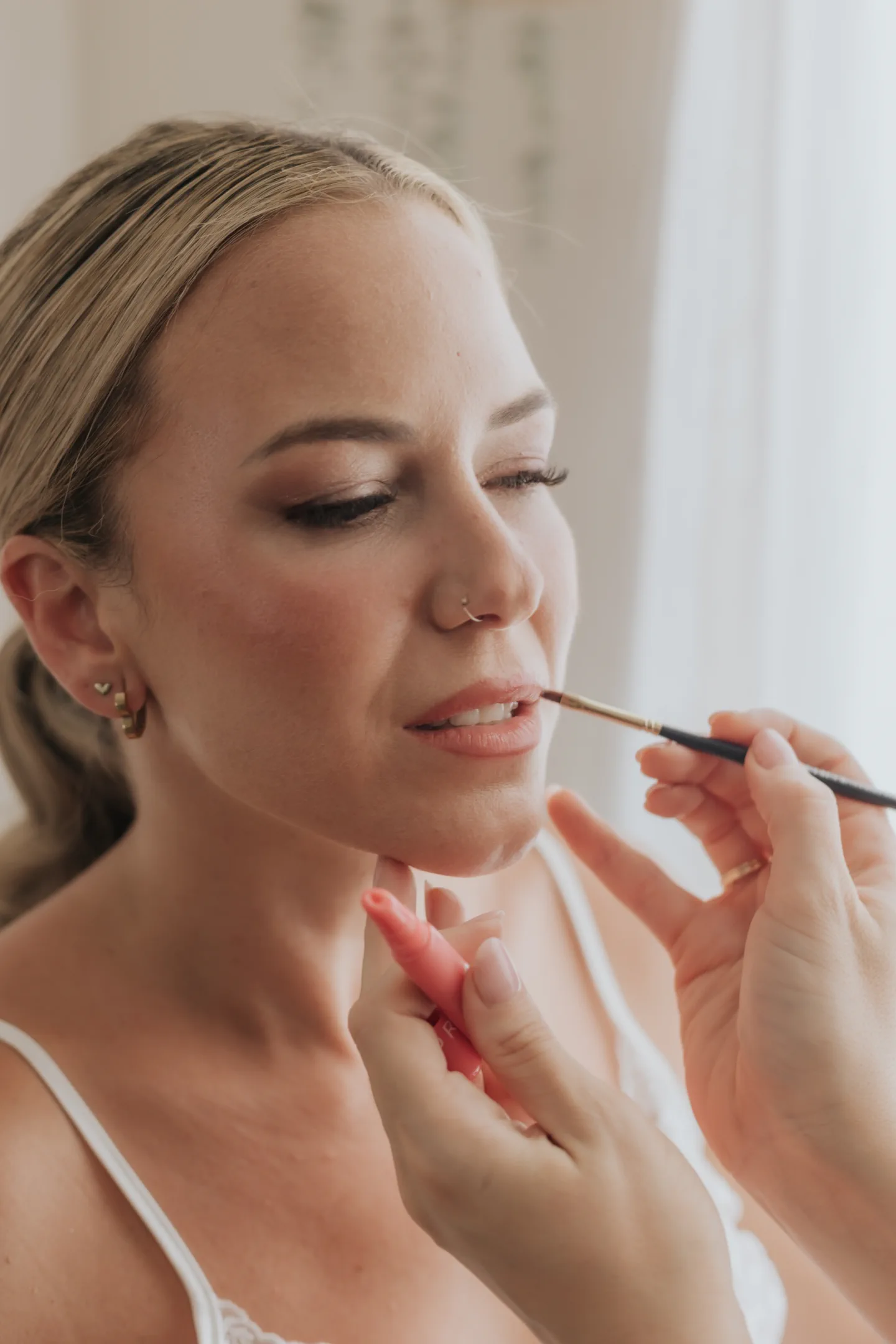
I can recommend colours, but every bride has her own taste, and what you like is what counts. If I am asked, depending on the undertone I suggest toasted, coffee and warm shades for the eyes, or a smoky black liner for the bolder bride. I choose highlights in golden tones, which melt into brown skin instead of sitting on top of it. On the lips, any colour works in its warm version, from a nude to the deepest burgundy.
What lipstick colour suits a bride with dark skin?
Any colour in its warm version, from nude to deep burgundy, chosen by the skin's undertone and the bride's own taste.
At the trial your exact shade is found, mix by mix, and checked in photos. On the wedding day, your skin looks the same in the photos as it does in person.